Sugar cravings often feel impossible to resist — especially after dinner or during stressful evenings. If you’ve ever wondered why you crave sugar even when you’re trying to eat healthy, the answer isn’t simply a lack of willpower.
Your cravings are influenced by biology. Blood sugar fluctuations, hormones, stress, sleep, gut health, and even dehydration all play a role in determining when and why your brain asks for something sweet.
In this guide, you’ll learn the science behind sugar cravings and practical, sustainable strategies to reduce them without following extreme diets or giving up your favourite treats forever.
Why Do Sugar Cravings Happen?
Sugar cravings are your body’s way of responding to internal signals rather than a personal weakness. While occasional cravings are completely normal, frequent intense cravings usually have an underlying cause.
The most common triggers include:
- Rapid blood sugar highs and lows
- Low protein intake
- Poor sleep quality
- Chronic stress
- Dehydration
- An imbalanced gut microbiome
Understanding these triggers makes it much easier to manage sugar cravings naturally.
The Blood Sugar Connection
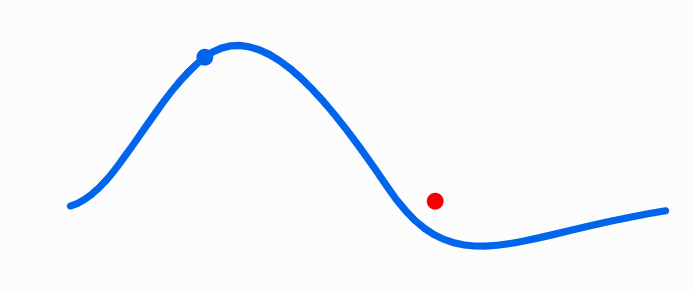
One of the biggest reasons people experience sugar cravings is unstable blood glucose.
When you eat foods rich in refined sugar or processed carbohydrates, your blood sugar rises quickly. In response, your pancreas releases insulin to move glucose into your cells.
If blood sugar drops rapidly afterward, your brain interprets this as an energy shortage and sends powerful hunger signals. Since sugary foods provide quick energy, they’re often the first foods your brain asks for.
Why Cravings Get Worse at Night
Many people notice that they can avoid sweets all day but crave dessert after dinner. This often happens because of choices made earlier in the day, such as:
- Skipping breakfast
- Drinking only tea or coffee in the morning
- Eating mostly carbohydrates with little protein
- Going long hours without balanced meals
By evening, mental fatigue and fluctuating blood sugar make sugary foods much more tempting.
How Sugar Affects Your Brain’s Reward System
Sugar isn’t just about energy — it also affects your brain.
Eating sugary foods stimulates the release of dopamine, a neurotransmitter involved in pleasure and reward. After a stressful or emotionally exhausting day, sweets can temporarily improve mood, which is why emotional eating often involves chocolate, desserts, or sugary snacks.
This doesn’t mean sugar is addictive in the same way as drugs, but it does explain why sweet foods feel especially rewarding during stressful periods.
Can Gut Health Influence Sugar Cravings?
Yes. Your gut and brain constantly communicate through what’s known as the gut-brain axis.
A healthy gut microbiome helps regulate:
- Hunger signals
- Fullness hormones
- Mood
- Appetite
- Food preferences
When gut bacteria become less diverse, appetite regulation may become less efficient, making cravings for quick-energy foods more frequent.
Foods That Support Gut Health
Instead of focusing on eliminating sugar, try adding more gut-friendly foods:
| Food | Benefit |
|---|---|
| Yogurt & curd | Natural probiotics |
| Fruits | Fiber + vitamins |
| Vegetables | Feed beneficial bacteria |
| Legumes | High fiber & protein |
| Whole grains | Slow energy release |
Are All Sugars Bad?
No. The source of sugar matters.
Natural carbohydrate-rich foods contain fiber, water, and nutrients that slow digestion and help stabilize blood sugar.
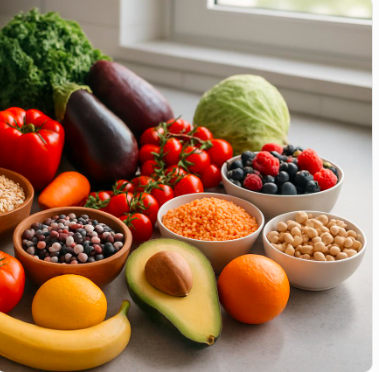
better everyday choices

foods to enjoy mindfully
This is why quitting sugar completely often fails. Restriction can increase stress, making cravings even stronger and creating a cycle of restricting, craving, and overeating.
How to Stop Sugar Cravings Naturally
The goal isn’t perfection — it’s creating steadier energy throughout the day.
1. Prioritize Protein at Every Meal
Protein is one of the most effective nutrients for reducing cravings. It:
- Keeps you full longer
- Slows digestion
- Helps stabilize blood sugar
- Reduces frequent hunger signals
Protein-rich breakfast ideas:

veggie omelette
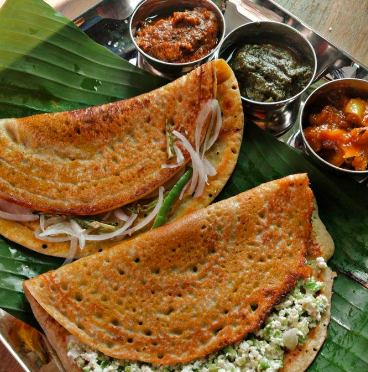
moong dal chilla
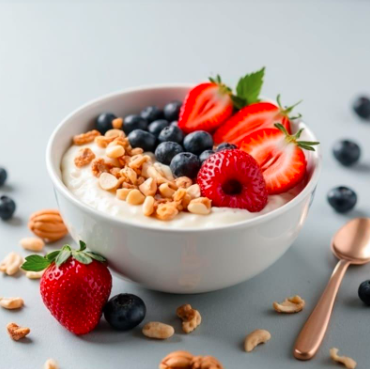
greek yogurt bowl
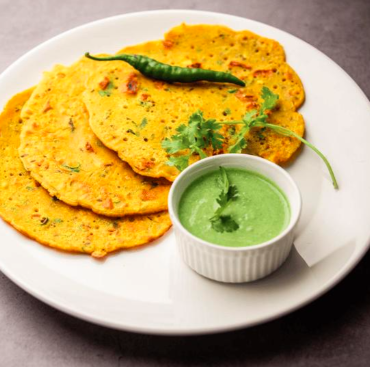
besan chilla
2. Pair Sweets With Balanced Meals
You don’t have to ban dessert. A smarter strategy is choosing when you eat it.
Instead of eating sweets on an empty stomach, enjoy them after a meal containing:
- Protein
- Fiber
- Healthy fats
This helps slow glucose absorption and reduces dramatic blood sugar spikes.
3. Eat Enough Fiber
Fiber works alongside protein to improve fullness and support healthy digestion.
Aim to include foods like:
- Oats
- Lentils
- Chickpeas
- Apples
- Leafy vegetables
- Seeds
Hidden Reasons You Crave Sugar
Sometimes the cause has nothing to do with food itself.
Dehydration
Mild dehydration can feel surprisingly similar to hunger. Before reaching for a sweet snack, drink a glass of water and wait 10–15 minutes.
Poor Sleep
Insufficient sleep affects hormones that regulate hunger and fullness, increasing the desire for high-sugar foods the following day. Aim for 7–9 hours of quality sleep whenever possible.
Stress and Emotional Fatigue
If sweets have become your default stress-relief strategy, pause and ask yourself: “Am I physically hungry, or emotionally drained?”
Alternative stress relievers include:
- A 10-minute walk
- Deep breathing
- Calling a friend
- Herbal tea
- Journaling
Your Environment Matters
Willpower is easier when your environment supports healthy choices.
Keep these visible: fruit, roasted chana, nuts, yogurt, and protein-rich snacks. Store sweets out of immediate sight to reduce mindless eating.
A Simple Daily Plan to Reduce Sugar Cravings
These small habits help create more stable energy rather than relying on quick sugar fixes.
| Time | Better Habit |
|---|---|
| Morning | Protein-rich breakfast |
| Mid-morning | Fruit + nuts |
| Lunch | Protein + vegetables + whole grains |
| Evening | Hydrate before snacking |
| Dinner | Balanced meal with fiber |
| Dessert | Enjoy occasionally after meals |
Frequently Asked Questions
Why do I crave sugar after dinner?
Evening cravings are often linked to inadequate protein or calories earlier in the day, mental fatigue, stress, or blood sugar fluctuations — not simply a love of sweets.
Does eating more protein reduce sugar cravings?
Yes. Protein supports satiety, slows digestion, and helps stabilize blood glucose, making cravings less intense for many people.
Should I completely stop eating sugar?
Not necessarily. A sustainable approach is usually more effective than strict restriction. Enjoying sweets occasionally as part of a balanced meal is often easier to maintain long term.
Can dehydration cause sugar cravings?
Yes. Thirst is sometimes mistaken for hunger, so drinking water before reaching for a sugary snack may reduce unnecessary cravings.
Final Thoughts
Sugar cravings are not a sign of weak willpower — they’re often your body’s response to blood sugar changes, stress, poor sleep, dehydration, low protein intake, and gut health.
Rather than asking “How do I stop eating sugar?”, ask:
- Did I eat enough protein today?
- Have I been hydrated?
- Am I tired or stressed?
- Did I eat balanced meals?
Small, consistent changes are far more powerful than extreme diets. By supporting your body with nourishing meals and healthy daily habits, you can gradually manage sugar cravings naturally and build a healthier relationship with food.
Need personalized nutrition support? FitLadder’s expert dietitians can help you create a sustainable eating plan that fits your lifestyle and long-term health goals. If you’re also working toward weight loss, understanding your eating habits and building sustainable nutrition strategies can make the process more manageable.
For personalized guidance based on your individual needs, an online dietitian consultation can help you create a practical and sustainable eating plan.